
Working together to improve fish passage in Scotland’s rivers
Pete Wright, SEPA
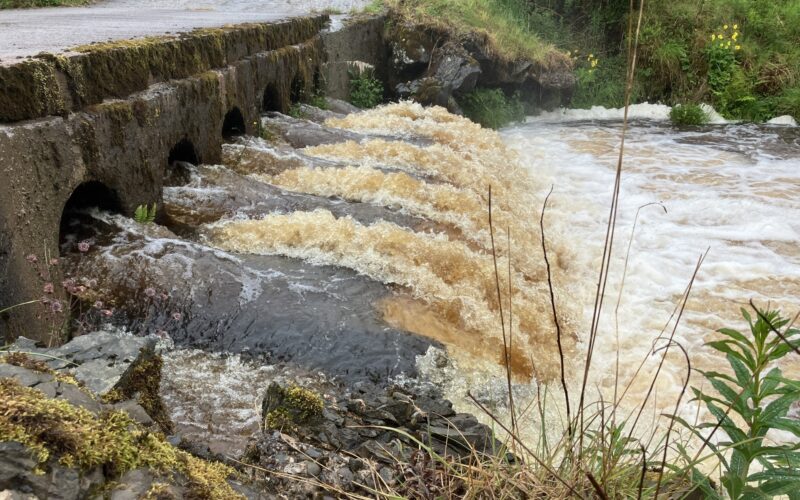
Across Scotland, more than 300 man-made barriers are currently preventing fish from reaching important breeding, feeding and nursery habitats. These barriers break up rivers and make it difficult for fish to complete their natural lifecycle.
To address this, a programme of work is taking place to remove or modify barriers that obstruct fish migration, led by SEPA, working with land managers across Scotland. This work supports the Scottish Wild Salmon Strategy and helps endangered species such as Atlantic salmon regain access to the habitats they need to survive.
Improving fish passage is not just about helping fish. Healthier, better-connected rivers can also bring benefits for farms, landowners and rural communities.
Why improve fish passage?
Healthier rivers
Rivers work best when water, wildlife, sediment and nutrients can move freely. Removing or improving barriers helps rivers function more naturally, leading to:
- Better water quality
- Healthier habitats
- Greater biodiversity
- More resilient rivers that can cope with pollution and climate change
Reduced flood risk
Some barriers can cause water to back up during periods of heavy rainfall, increasing the risk of flooding upstream. Improving river connectivity allows water to move more naturally through the catchment. When rivers can access their floodplains, they can store water during high flows and reduce pressure on downstream areas, helping protect farmland, roads and communities.
Supporting wildlife
Fish need access to different parts of a river throughout their lives. Removing barriers allows them to reach spawning grounds, feeding areas and shelter. Connected rivers also support insects and other freshwater species, creating a healthier food supply for fish, birds and other wildlife.
Helping rivers adapt to climate change
Free-flowing rivers are generally healthier and more resilient. They remain cooler during hot weather, contain more oxygen and provide better conditions for fish and other aquatic life. Natural river corridors can also support vegetation that stores carbon and helps landscapes adapt to changing weather patterns.
Making the most of existing habitat
Removing or modifying a barrier is often one of the quickest and most cost-effective ways to restore river habitat. Instead of creating new habitat elsewhere, it allows fish to access areas that already exist but have been cut off. In many cases, fish return to newly opened stretches of river within a relatively short time.
Supporting rural economies
Healthy rivers support angling, tourism and outdoor recreation, bringing visitors and investment into rural communities. Improving rivers can benefit local businesses while enhancing the natural environment for everyone.
A shared opportunity
Improving fish passage is one of the most effective ways to restore the health of Scotland’s rivers. It supports wildlife, helps reduce flood risk, strengthens river ecosystems and creates benefits for communities and businesses. By working together, farmers, land managers, landowners, fisheries interests and public bodies can help create healthier, more resilient rivers that benefit both people and nature for generations to come.
River Engineering – the bigger picture
Management and operation of a weir is just one example of the type of activities that is regulated in Scotland to prevent negative impact on and to enhance water quality and quantity. Activities such as bank protection, gravel removal, dredging, culverting, building bridges and other crossing may require an appropriate authorisation to ensure no damage is done to Scotland’s environment.
Further information on these activities, as well as other activities that require consideration of the rules can be found on the Farming & Water Scotland website, and search for the term “River Engineering” for details of any permits that are required to undertake river engineering works on the SEPA River Engineering support website pages.
Related resources
Poaching by Livestock – What is the 5 metre rule?
Nanette Blyth
(Image source: Melissa Irvine Photography) Livestock access to watercourses can lead to the loss of…
Water Update Summer 2026
Fiona Salter
As I write we are approaching the end of June 2026, SEPA’s current water scarcity…
Building Farm Resilience in an Unpredictable Climate
Water scarcity is becoming an increasingly frequent operational challenge. We were at Royal Highland Show recently, with a stellar panel of speakers to explore how farmers and land managers are securing access to water resources.
We heard how weather trends are predicted to change, with an increase in warmer, wetter…