
Poaching by Livestock – What is the 5 metre rule?
Nanette Blyth
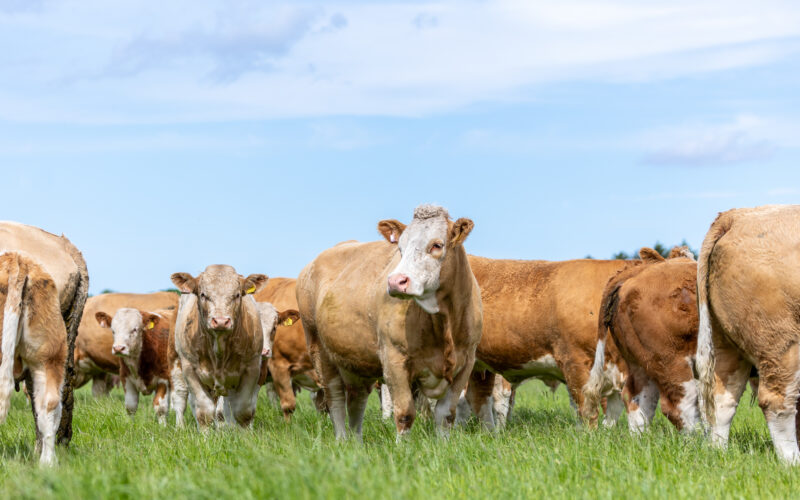
(Image source: Melissa Irvine Photography)
Livestock access to watercourses can lead to the loss of a range of pollutants including faecal bacteria, nutrients, pesticides and soil particles. Whilst these materials may be beneficial to land, they can have an adverse impact on water quality.
Water GBR 19 of EASR aims to ensure that significant poaching and erosion by livestock within 5 metres of a watercourse is prevented. Water GBR 19 does not state livestock should be excluded from the water environment neither does it state livestock should be fenced out of the water environment, just significant poaching and erosion must be prevented.
What constitutes significant poaching or erosion? – Significant poaching is where poaching by livestock has resulted in large areas or long lengths of bank having little or no vegetation and exposed soils. In severe instances it can also lead to bank collapse. It can occur as a result of livestock accessing watercourses for drinking water, proximity of feed/water troughs to a watercourse or as a result of livestock crossing through a watercourse, see Figure 1.
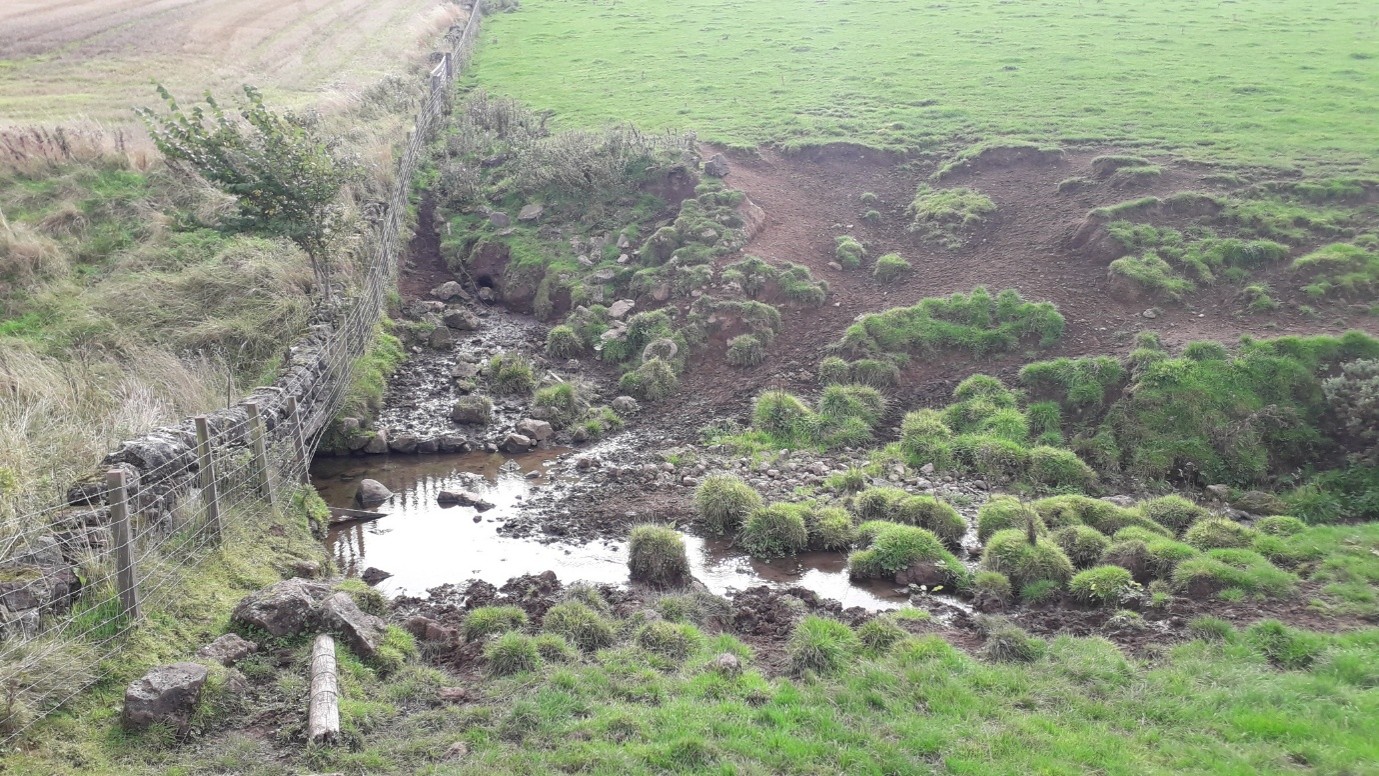
Figure 1: Significant livestock poaching and erosion
Prevention and Mitigation – To prevent or mitigate significant poaching, there are several options which can be implemented depending on the cause:
- Provide an alternative in-field drinking water supply
- Relocate feed/water troughs.
- Install a livestock crossing point – FW-Factsheet-15.pdf
- Reduce stocking density or temporarily exclusion may also help to reduce poaching risk.
- Provide shelter/shade in an area of the field where poaching would not become a problem.
- In some instances, permanent or temporary fencing may also be required.
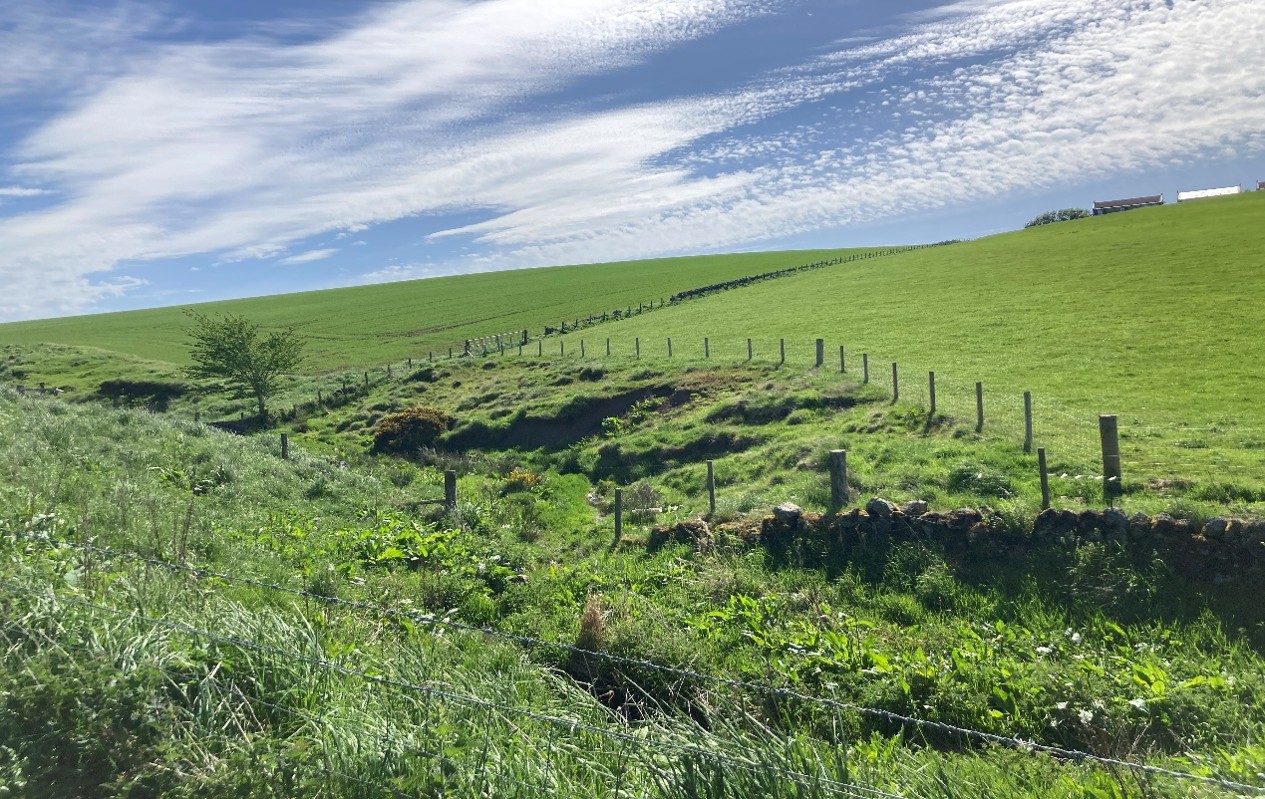
Figure 2: Erection of fencing to mitigate livestock poaching.
Further information on how to remain compliant with Water GBR 19 can be found at: Keeping of livestock and also Managing Livestock – FW-Factsheet-7.pdf
Information on the different types of alternative watering options where access to mains water is limited can be found at: Alternative Watering – Farming and Water Scotland
Related resources
Working together to improve fish passage in Scotland’s rivers
Pete Wright, SEPA
Across Scotland, more than 300 man-made barriers are currently preventing fish from reaching important breeding,…
Water Update Summer 2026
Fiona Salter
As I write we are approaching the end of June 2026, SEPA’s current water scarcity…
Building Farm Resilience in an Unpredictable Climate
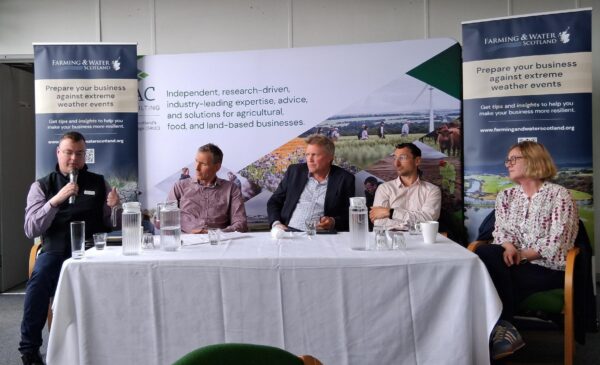
Water scarcity is becoming an increasingly frequent operational challenge. We were at Royal Highland Show recently, with a stellar panel of speakers to explore how farmers and land managers are securing access to water resources.
We heard how weather trends are predicted to change, with an increase in warmer, wetter…