
Water Update Summer 2026
Fiona Salter
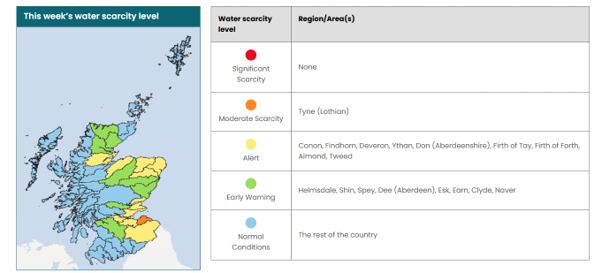
As I write we are approaching the end of June 2026, SEPA’s current water scarcity report shows eight regions in Early Warning, nine in Alert and one in Moderate Scarcity, see Figure 1 for locations.
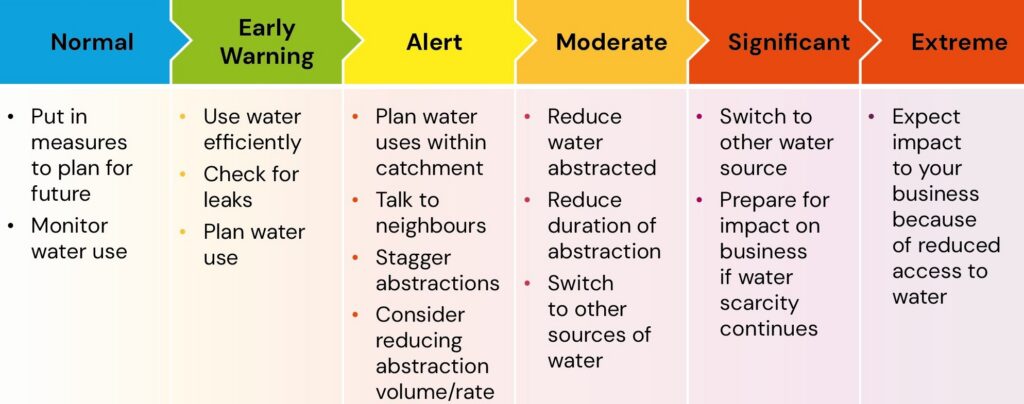
But what does this mean for those working on the ground? For many areas of Scotland water levels are normal, however, this could change quickly. Areas may begin to show signs of low flows in the rivers, dry soil conditions and lower groundwater levels. There are ways to work with the water supply you have, we just need to be smart about it. Figure 2 highlights different steps land managers need to consider when planning water use on farm – adapted from Scotland’s National Water Scarcity Plan (2020).
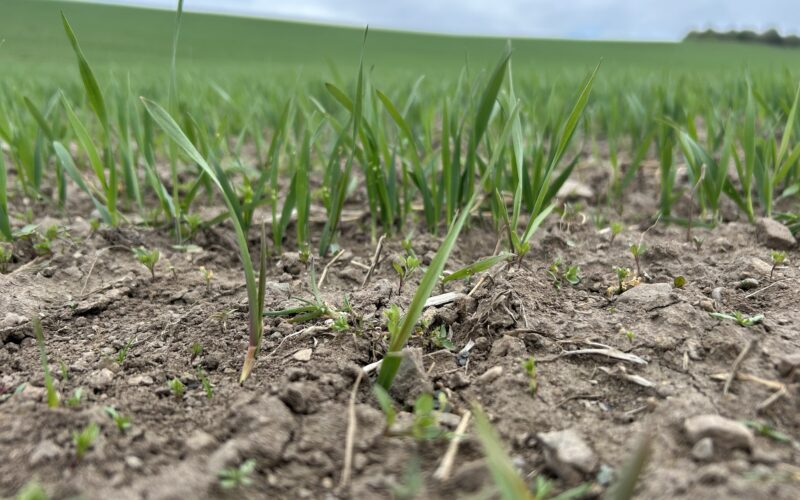
Building resilience into your farm is key – whether this is ensuring you have fixed any leaks, to building longer term water storage such as installing a lagoon. Water scarcity is projected to become more frequent and adapting to such conditions now will help you cope in the future.
To understand your risk in more detail, SEPA have a Drought Risk Assessment tool where you can look and see how many days your catchment has been below low flow threshold. This information can highlight what the current conditions are like for your area, the rivers may look ‘fine’ but the recorded levels may be telling a different story. These measurements determine the water scarcity levels shown in Figure 2. With regular weekly monitoring throughout the year, you can start to map trends and use the information to help you form a suitable plan.
If you would be interested in finding out more information and guidance on how to build your resilience to water scarcity, The Centre of Expertise for Waters (CREW) has published Planning for Water Scarcity: Practical guidance for Scottish farmers and growers, which has been designed to help farmers and growers improve the efficiency of water use across farm businesses in Scotland. The guide explains the trends in water availability and discusses future predictions for Scotland. Using this guide alongside regular monitoring can help prepare and reduce the impact that water scarcity may have on your business.
Some top tips from the guide include:
- Conduct a Farm drought risk assessment
- Speak to your neighbours – can you collaborate on water use?
- Small acts can make big differences
- Understand your abstraction licences, do you have a cost effect backup solution if abstraction allowance is limited?
Act today to be prepared for tomorrow.
Related resources
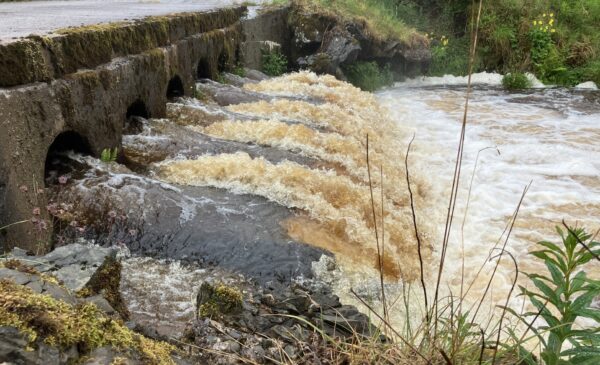
Working together to improve fish passage in Scotland’s rivers
Pete Wright, SEPA
Across Scotland, more than 300 man-made barriers are currently preventing fish from reaching important breeding,…
Poaching by Livestock – What is the 5 metre rule?
Nanette Blyth
(Image source: Melissa Irvine Photography) Livestock access to watercourses can lead to the loss of…
Building Farm Resilience in an Unpredictable Climate
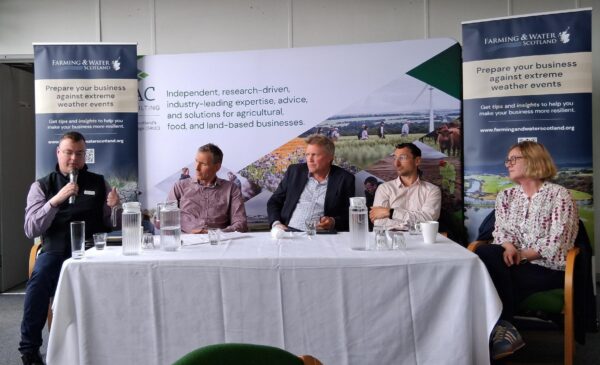
Water scarcity is becoming an increasingly frequent operational challenge. We were at Royal Highland Show recently, with a stellar panel of speakers to explore how farmers and land managers are securing access to water resources.
We heard how weather trends are predicted to change, with an increase in warmer, wetter…