
Slurry Spreading Rules: 2027
Darrell Crothers, SEPA
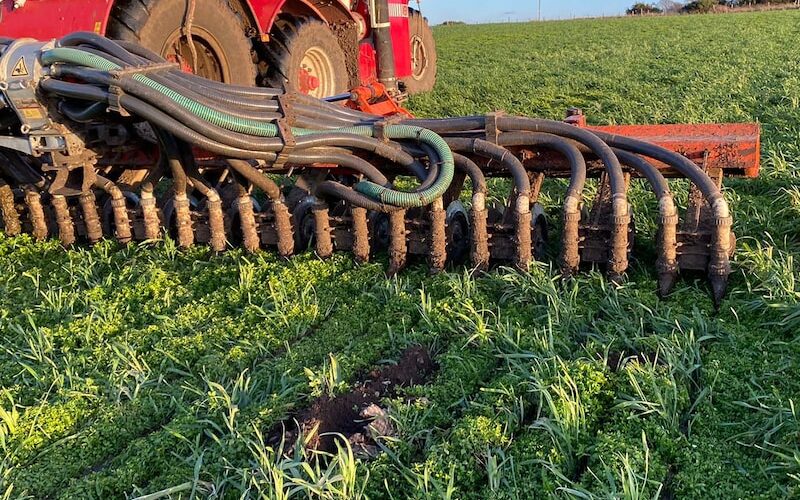
Scottish livestock farmers are facing an important change in the way slurry is applied to land. From 1 January 2027, all farms spreading slurry will be required to use precision application equipment, marking the final stage of the five-year phased introduction of updated rules designed to improve water quality, reduce ammonia emissions and make better use of nutrients.
The changes originate from updates to Scotland’s agricultural pollution prevention regulations in 2022, now incorporated within the Environmental Authorisation (Scotland) Regulations (EASR). The objective is to reduce diffuse pollution entering watercourses while improving nutrient use efficiency on farms.
For many farmers, the biggest change is that traditional slurry spreading methods such as raised splash plates and rain guns will no longer be acceptable. These methods have already been restricted since January 2023 on larger farms and for the application of anaerobic digestion. From January 2027, all slurry applications will be required to use low-emission, precision application equipment.
Such slurry application methods include:
- Dribble bar or band spreaders
- Trailing hose and trailing shoe applicators
- Direct injection
These technologies place slurry closer to the ground or directly into the soil, reducing the amount exposed to the air. This reduces ammonia losses, helps retain more nitrogen for crop and grass growth and also means that the slurry can be applied more accurately.
The benefits are not just environmental. Improved nutrient retention can reduce the need for purchased fertiliser, helping to lower input costs and improve nutrient management. Precision, low emission application can also reduce odour, ammonia emissions to the air and minimise the risk of slurry reaching nearby ditches and burns.
These changes to slurry spreading sit alongside the amendments to slurry storage requirements that were also introduced and in transition since 2022. Since 1 January 2026, cattle farms must have sufficient slurry storage for 22 weeks, while pig units require 26 weeks of storage capacity. This aims to ensure slurry can be stored during periods when crop uptake is low and when field conditions present a risk of pollution, allowing the nutrients within the slurry to be used most efficiently.
Livestock farmers who produce slurry are being asked to ensure they will be ready for the 2027 slurry spreading season, farmers who do not already have access to precision slurry spreading equipment should begin planning now. Options could include upgrading farm equipment, sharing machinery with neighbouring farms, joining machinery rings, or using agricultural contractors, which are equipped with compliant systems.
This could also be a good this opportunity to review the ‘whole farm’ management of surface run-off, slurry and nutrient management. Can any steps be taken to reduce slurry production such as keeping clean and dirty water separate, are all gutters and drains clear, are contaminated yard areas minimised and all slurry collected? Better timing of applications, improved storage capacity, taking account of soil tests together with more accurate slurry placement can all help maximise the value of slurry and help reduce pollution risks and improve farm profitability.
Related resources

Groundwater abstraction – what do you need to know?
Patrick Gardner, SEPA
Groundwater can be a valuable source of water for agricultural businesses, helping to support livestock,…

El Nino and what could it means for Scotland
Alexander Pirie, SAC Consulting
El Nino has returned to the Pacific Ocean and this time it is expected to…