
El Nino and what could it means for Scotland
Alexander Pirie, SAC Consulting
El Nino has returned to the Pacific Ocean and this time it is expected to be uniquely strong. In August, the United States National Oceanic and Atmospheric Administration (NOAA) estimated that there is a more than 90% chance of a very strong El Nino developing through the autumn and winter of 2026 and into 2027.
Farmers and crofters in Scotland can be forgiven for thinking the warming of the Pacific Ocean, thousands of miles away is of little consequence to them, but if recent history is anything to go by, international events impact even the most resilient farm and crofting businesses in Scotland. El Nino is capable of impacting rainfall and temperature patterns across the world, as well as impacting the availability and cost of common agricultural inputs and commodities.
What is El Nino
Fundamentally El Nino is a warm phase of a naturally occurring climate cycle. Normally, weather fronts in the Pacific push warm surface water towards countries like Indonesia and Australia, however, during an El Nino event, the reverse happens, winds weaken and warm water spreads east into the deep Pacific. Broadly speaking, the Pacific Ocean is massive, it accounts for an approximate 63 million square miles and its total area is larger than all land surface area on earth combined, that is to say that, while distant, it is a significant influencer on the rest of the world and changes to weather patterns there will impact us here.
The additional ocean heat alters atmospheric circulation around the world and typically adds around 0.2oC to global temperature averages. This does not mean that everywhere necessarily becomes warmer but links have been made between climate change, global temperatures and the severity of the El Nino effect.
The results, historically, have not been the same in all locations and going forward will be different in different places. El Nino commonly increases the risk of extreme weather events, namely draughts across most of the southern hemisphere, conversely it is likely to cause more wet weather in the Americas and it can temporarily increase the average global temperatures.
As things stand, the developing 2026 El Nino event is already strengthening rapidly. Current forecasts suggest that it could rank among the strongest since modern recording began.
The Impacts on Inputs and Markets
Among the concerns around El Nino, the impacts on input prices and market volatility are high. El Nino has been known to reduce yields in wheat, rice and maize, although regional variations will apply. Drier conditions in parts of south and east Asia and Australia will likely place increased pressure on grain demands and poor maize crops elsewhere could increase food prices internationally. But El Nino cannot be viewed as overwhelmingly negative, for example, soyabean production in South America could actually benefit from increased rainfall and offset pressures on sources of protein-rich feed crops.
Some of the largest impacts may not necessarily impact farmers and crofters but their customers. Products that include cocoa, coffee, sugar, rice, palm oil or rubber are very exposed because of the areas of the world in which these goods are sourced and their proximity to El Nino itself.
Many have voiced concern over the cost and availability of fertilisers. El Nino itself does not automatically make nitrogen or phosphate for example, more expensive. However, disruption and fluctuations in global energy production, food markets and supply chains will all feed into and impact fertiliser markets. Nitrogen prices are closely linked to the availability of the natural gas so other factors on the world stage can have a disproportionate influence.
In fact, there may be opportunities during El Nino, lower agricultural output for other parts of the world may increase commodity prices here in Scotland, but those opportunities must be weighed against the potential challenges discussed previously.
What Might El Nino Mean for Scotland
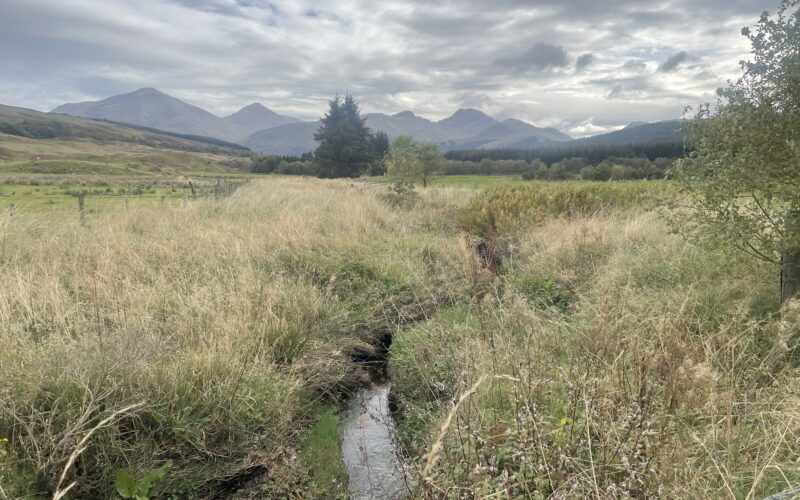
For Scotland, the potential impacts of El Nino are uncertain, but the general consensus is that we could expect a wetter, milder and windier start to winter, followed by colder, calmer conditions in winter. A wet and windy autumn means we could reasonably expect soils to be more vulnerable to livestock and vehicle movements. These conditions could impact autumn grazing platforms and the ease of establishing winter crops and undertaking field operations. Repeated heavy rainfall will also increase the risks of soil erosion, poaching and nutrient losses to nearby watercourses.
Businesses that routinely struggle with issues like slurry storage capacity, vulnerable farm tracks, waterlogged gateways and fields should take steps to identify those issues and take preventative actions. Livestock businesses should look carefully at their winter feed levels, a prolonged wet autumn and winter could bring the housing period forward and extend it, something particularly concerning if you already begun buffer feeding in the summer.
Good forward planning can also be hugely beneficial, not just for this winter but for the future in general. Checking roofs, drains, guttering and culverts, and ensuring that static machinery is serviced and covered where possible will all contribute to better overall resilience.
Over the next 12 months, farmers and crofters should keep three things in mind:
1) weather forecasts,
2) autumn winter resilience and,
3) international commodity markets.
Consider purchasing where prices and cashflows make sense, prioritise margin over cost and maintain adequate forage. El Nino may begin in the Pacific Ocean but in an interconnected world impact travels a long way. For Scottish agriculture, being aware of those risks early gives us the ability to make informed decisions in a realistic timeline.
Related resources
Slurry Spreading Rules: 2027
Darrell Crothers, SEPA
Scottish livestock farmers are facing an important change in the way slurry is applied to…

Groundwater abstraction – what do you need to know?
Patrick Gardner, SEPA
Groundwater can be a valuable source of water for agricultural businesses, helping to support livestock,…