
Silage Pit Preparation & Maintenance
Pete Wright, SEPA
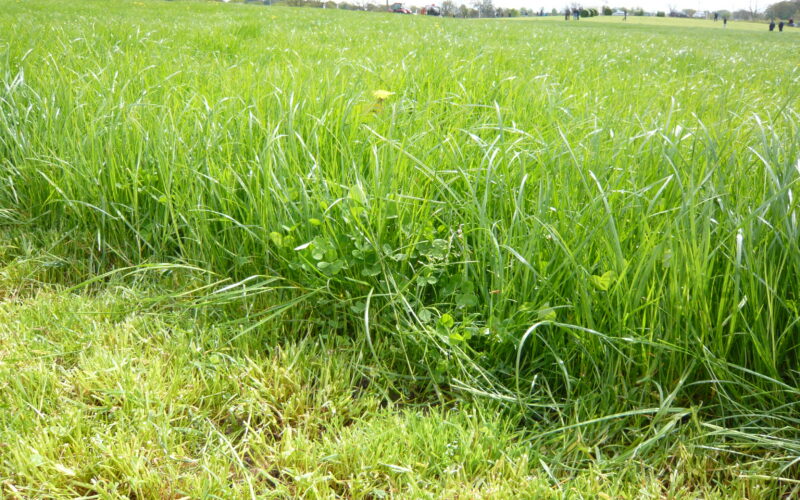
With silage season approaching, it is essential to ensure your silage pit is in good condition before ensiling. All defects should be repaired in advance to ensure silage effluent is fully collected and safely transferred to the effluent tank. If there are more serious structural concerns, or your effluent tank is not of a suitable size you should rectifying these issues immediately and seek advice from SEPA where required.
Outlined below are some suggestions for good practice to ensure you silage pit is ready for the season ahead.
- Assessing the Silage Pit
The overall condition of the pit determines what work is required. This can only be established by:
- Washing and thoroughly inspecting the pit.
- Checking for cracks, porous patches, unsealed joints, and signs of deterioration.
- Paying special attention to the wall–floor joint, where concrete often becomes worn.
Regular maintenance ensures minor defects are addressed early. More serious issues may require interim or long‑term solutions.
- Cleaning and Identifying Defects
Once the pit is cleaned and washed down:
- Look for cracks, holes, eroded joints, and porous sections.
- If concrete is worn at the wall–floor joint, repair by over-skimming with concrete.
- After sealing, apply bitumen paint to the bottom 2 ft of wall down onto the floor to protect the join.
- Repairing Joints & Concrete Surfaces
- Ensure all joints have sealant that is intact and bonded.
- Replace missing or damaged sealant:
- Hot‑poured rubberised bitumen for floor joints.
- Polysulphide sealant for wall joints.
- For small holes:
- Remove damaged concrete.
- Refill with new concrete with bonding agent applied at the edges.
- If aggregate is exposed or coming loose, the floor may need:
- A concrete skim, or
- Hot rolled asphalt overlay.
- Effluent Channels & Tank Safety
- Clean and inspect all effluent collection channels.
- Repair any cracks or holes and coat channels with hot‑poured rubberised bitumen.
- Never enter an effluent tank.
- If the level remains constant when filled, assume it is functioning correctly.
- Ensure:
- No rainwater bypass exists.
- The tank cannot overflow.
- Submersible pumps are operational and connected to a dedicated supply with alarm.
Further Information:
Silage Pit Maintenance
- Silage Pit Maintenance – Farming & Water Scotland
https://www.farmingandwaterscotland.org/resource/silage-pit-maintenance/ - Silage Pit Maintenance (Livestock Section)
https://www.farmingandwaterscotland.org/livestock/silage-pit-maintenance/
Silage Regulations & Compliance
- Silage – General Requirements & Environmental Impacts
https://www.farmingandwaterscotland.org/resource/silage/ - General Binding Rules on Silage & Slurry (updated 2022)
https://www.farmingandwaterscotland.org/know-the-rules/general-binding-rules-on-silage-slurry/