
Key environmental considerations when poultry farming
Stephen Field, SEPA
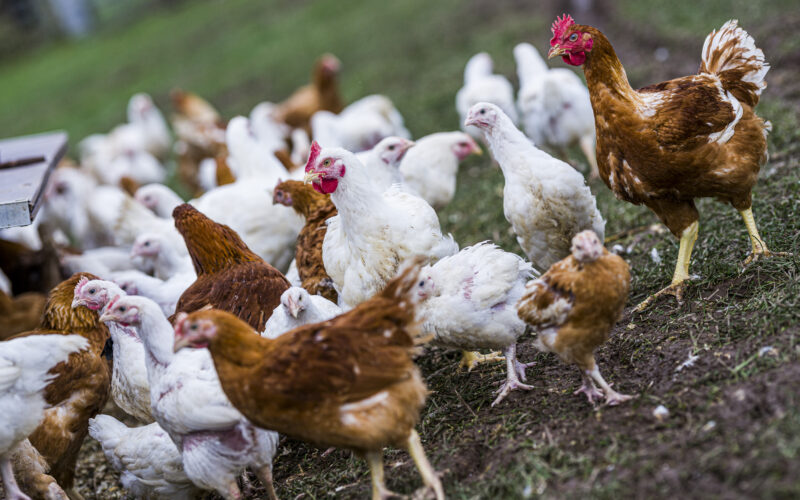
Whether you are already a poultry farmer or thinking of becoming one, there are key environmental considerations that need to be addressed. Depending on the size of your operation you may need to apply to SEPA for a permit to house above 40,000 birds under the Environmental Authorisation (Scotland) Regulations 2018 (EASR). In any instance, whether expanding or starting from new, you will require planning permission and a building warrant from the Local Authority.
Site selection and planning:
- Location: Choose a location that is appropriately distanced from residential areas, schools and environmentally sensitive sites (such as protected ecological areas or water bodies) to minimise nuisance and regulatory issues.
- Regulatory compliance: New or expanding farms require planning permission from the Local Authority and may require an environmental permit from SEPA if operating above 40,000 birds. In most cases, an Environmental Impact Assessment (EIA) is mandatory for poultry operations.
- Infrastructure: Design facilities with effective drainage systems to prevent water accumulation and runoff, incorporate proper biosecurity measures and use energy-efficient building materials and systems.
Waste management:
- Manure and litter: This is a primary source of pollutants, including high levels of nitrogen and phosphorus, which can contaminate soil and water through runoff. A comprehensive manure management plan is vital. Consider options such as how you will store it – on the steading or in temporary field heaps? If you have limited land on which to apply the manure/litter as a fertiliser you need to ensure you have other farmers who can utilise the fertiliser for crop growth, otherwise it will need to go off site for proper disposal via anaerobic digestion or even for energy production. Manure storage facilities and spreading to land as a fertiliser must comply with EASR Water General Binding Rule 18 in terms of proximity to drains, watercourses, crop need in terms of nitrogen and must not raise the soil phosphorus status. It is always recommended to cover manure storage facilities to minimise potential run-off and emissions to air.
- Carcasses: Dead birds can attract pests and spread disease. Plan for proper and rapid disposal, such as rendering off site or on farm incinerators. Incineration on farm will require approval from Scottish Government under the Animal By-products Regulations and depending on the size of the incinerator, may need a permit from SEPA.
- Wastewater: Cleaning and processing operations will generate wastewater This water must be either treated (e.g. using sedimentation ponds or advanced filtration) to remove organic matter, chemicals and pathogens before discharge to sewer under licence from Scottish Water, or collected in appropriate size collection tank prior to being applied to land under the EASR regulations.
- Hazardous materials: Ensure safe use, storage and disposal of chemicals, pesticides and cleaning products to prevent accidental spills and environmental contamination.
Air quality and emissions:
- Odour: Odour is a common nuisance for local residents. An odour management plan, potentially including atmospheric dispersion models for large farms, is required to demonstrate minimal impact on neighbouring properties.
- Ammonia: Ammonia emissions from poultry housing manure storage can be harmful to sensitive ecosystems. Ventilation, litter management and nutritional strategies such as low-protein diets can help control ammonia levels.
- Dust: Dust can contribute to respiratory issues. Measures to minimise dust include appropriate ventilation systems and managing farm activities like feed handling.
- Greenhouse Gases: Poor manure management is the largest source of greenhouse gas emissions from poultry units. Proper manure storage facilities, covering of manure stores and spreading rates will help reduce greenhouse gas emissions.
By addressing these environmental considerations during the planning stage, you can ensure compliance with regulations, minimise your farm’s ecological impact and build a more sustainable and resilient business operation.
Related resources
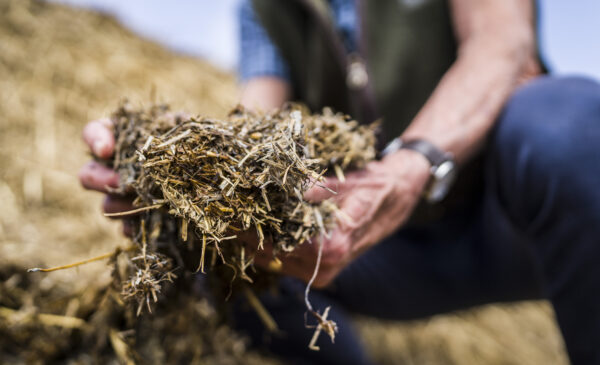
Importing organic fertilisers onto your farm -what do you need to consider?
Stephen Field, SEPA
Farmers and businesses receiving materials to be spread on their land have a duty to…
Water Environment – Agri-Environment Climate Scheme (AECS)
Alex Pirie, SAC Consulting
In Autumn 2025 Minister Jim Fairlie announced the return of the Agri-Environment Climate Scheme (AECS),…
Riverbank restoration – where to start
Alex Pirie, SAC Consulting
Last year, Farming and Water Scotland attended a meeting facilitated through Scotland’s Farm Advisory Service…