
Improving soil management with reduced inversion farming at Preston Hall Farm
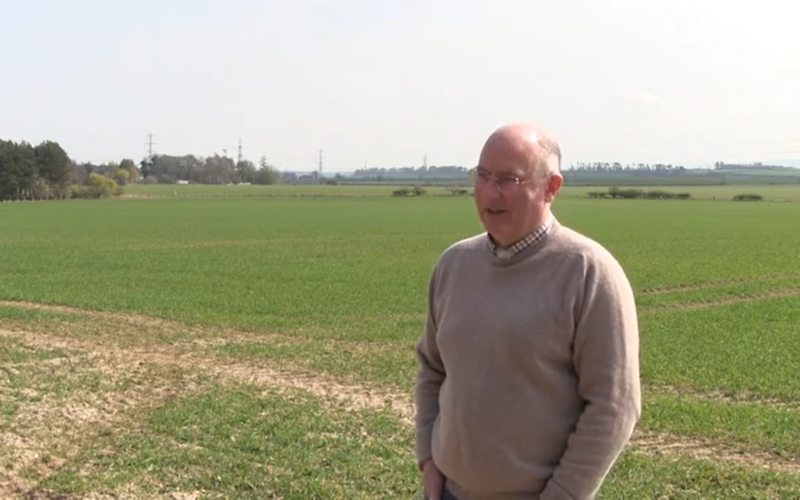
We hear from Bill Gray, Farm Manager at Preston Hall Farms, who gives an insight into how the estate manages their cropping systems to improve soil structure. Joanna Cloy, a Researcher at SRUC explains the importance for farmers to make small changes to their systems to reduce pollution whilst improving their farm's productivity.
Key points
- Experience over the years has shown that avoiding working wet soils and avoiding conventional ploughing helps to reduce the risk of compaction, particularly on the farm’s heavier, less well drained soils.
- Successful alleviation of soil compaction (e.g., using subsoilers) can be challenging, so avoiding compaction in the first place is important.
- Establishing cover crops on the farm can be challenging due to the short window in autumn but when established well, the fibrous rooting from the black oats and the phacelia’s long tap roots improves soil structure.
- A green manure, following overwinter stubbles, comprised of crimson and Egyptian clover, vetch and phacelia produced tremendous results. After removing the thick biomass cover (e.g., through rolling), good soil structure and organic matter content aided direct drilling.
- Over the last 20 years, the farm has minimised conventional ploughing, used cover crops and incorporated more straw back into the soils. These practices improve soil structure and reduce the risks of diffuse pollution.
28
Related resources
Water infiltration test
In this video we explain what you need to carry out a water infiltration test on your farm.
Tools required: Short piece of pipe Plank of wood and mallet Timer Measuring tape Paper…
Working together to reduce flood impact
How can SEPA help you?
The impact of flooding is affecting communities across the country – but what practical steps…
Ditches and Dredging Part 2: What can you do?
What can farmers do on their farm to manage water in ditches and drains?
Practically, what can farmers do on farm to manage watercourses? There are many ways to…