
Importing organic fertilisers onto your farm -what do you need to consider?
Stephen Field, SEPA
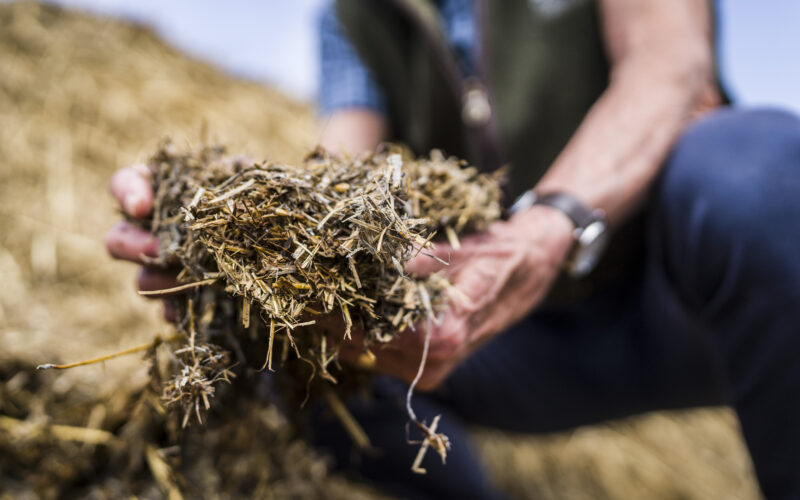
Farmers and businesses receiving materials to be spread on their land have a duty to ensure that all the materials they are accepting meet necessary legal requirements. This includes slurry, farmyard manure (FYM), poultry manure, anaerobic digestate (AD) or other types of organic wastes, all of which can provide benefits to plant and soil health.
The first thing that should be considered is do you need to take organic material from off farm sources at all onto your farm? If the answer is yes, then you need to make sure that the right material is brought on for your needs.
For organic fertilisers other than slurry, FYM and poultry manure, the likelihood is you need to apply to SEPA for an Environmental Authorisation Scotland Regulations 2018 (EASR) registration Soil improvement using waste | Beta | SEPA | Scottish Environment Protection Agency.
Importing material onto farm
Before importing any slurry, FYM or poultry manure onto your farm there are several things you need to consider. It is important to know where this fertiliser is needed on your farm and what material will provide the most benefit to you.
- Conduct a nutrient management plan to help you understand soil requirements, looking at nitrogen and soil phosphorus status.
- Before accepting material, ensure that suppliers provide details of the nutrient content so that you can plan and use them efficiently.
This process will help you comply with EASR Water General Binding Rule (GBR) 18.
If you allow suppliers or contractors to spread fertilisers directly onto your land, ensure that they are doing this in accordance with your planned soil and crop needs and that they are provided with a copy of your RAMS map (risk assessment for manures and slurries), which they must adhere to. If you do not have an immediate soil and crop need for these imported fertilisers you need to be sure you can store them safely before they are spread. If importing slurry or liquid AD you need to ensure you have sufficient spare capacity within your storage facilities, especially if you also produce and store slurry on your farm. It is advisable to have a contingency plan for poor weather, which impacts on your ability to store the organic fertiliser safely or should an incident occur during land spreading operations.
EASR Water GBR 18 requires organic manures (FYM / poultry manure / AD), which is to be stored on agricultural land in a temporary field heap, to be a minimum of 10 metres from top of the bank of the water environment and 50 metres from a spring, well or borehole. They must not be stored anywhere where there would be a significant risk of agricultural diffuse pollution. Field heaps should be located well away from any ruts or tracks that could provide a pathway for effluent to get into ditches or surface waters.
Related resources
Key environmental considerations when poultry farming
Stephen Field, SEPA
Whether you are already a poultry farmer or thinking of becoming one, there are key…

Water Environment – Agri-Environment Climate Scheme (AECS)
Alex Pirie, SAC Consulting
In Autumn 2025 Minister Jim Fairlie announced the return of the Agri-Environment Climate Scheme (AECS),…

Riverbank restoration – where to start
Alex Pirie, SAC Consulting
Last year, Farming and Water Scotland attended a meeting facilitated through Scotland’s Farm Advisory Service…